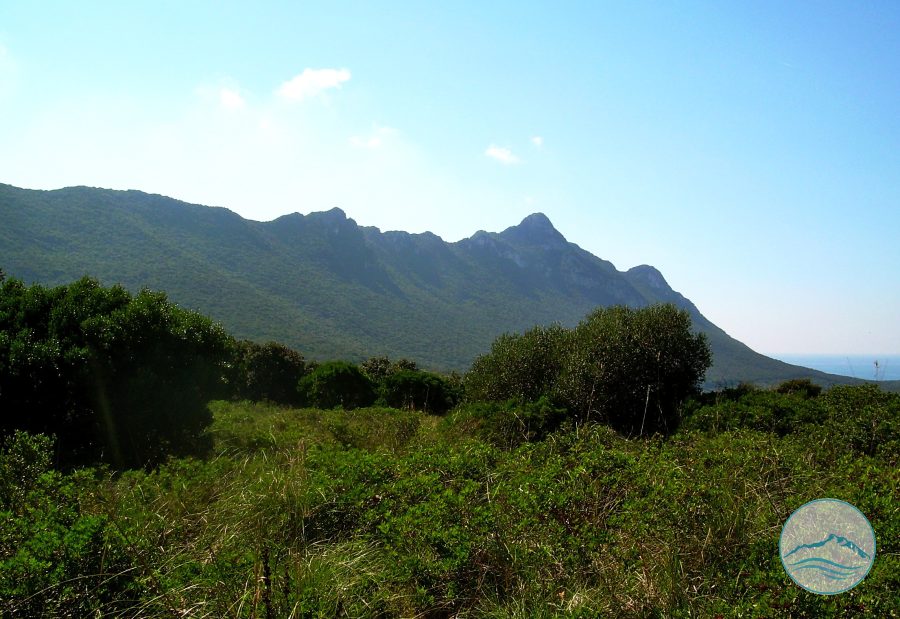
On Peretto hill, about a kilometre from the old town, lie the remains of a Roman villa rustica: one of the farming villas built on the slopes of the promontory between the end of the Republic and the beginning of the Empire.
After the Social War (1st century BC) the territory of ancient Circeii enjoyed a period of relative calm and a building boom: large residences and villas rose along the coast and on the mountain slopes, chosen by wealthy Romans also as holiday homes. Horace, Juvenal and Pliny mention the renowned products of Circeii, from lettuce and chard to myrtle and laurel, and above all the sweet Circeo oysters. In 1928 Giuseppe Lugli recorded twelve villas on the promontory besides Domitian’s villa on Lake Paola: three along the coast and the others on the mountain slopes.
Of the mountain villas, mainly the water cisterns have survived, and over time they have given their names – sometimes legendary ones – to the places: the Grotta della Sibilla, the Grotta dei Banditi near the Mezzomonte fountain, the Vasca Moresca, the Grotta della Carella below the Peak and, indeed, the Peretto cistern.
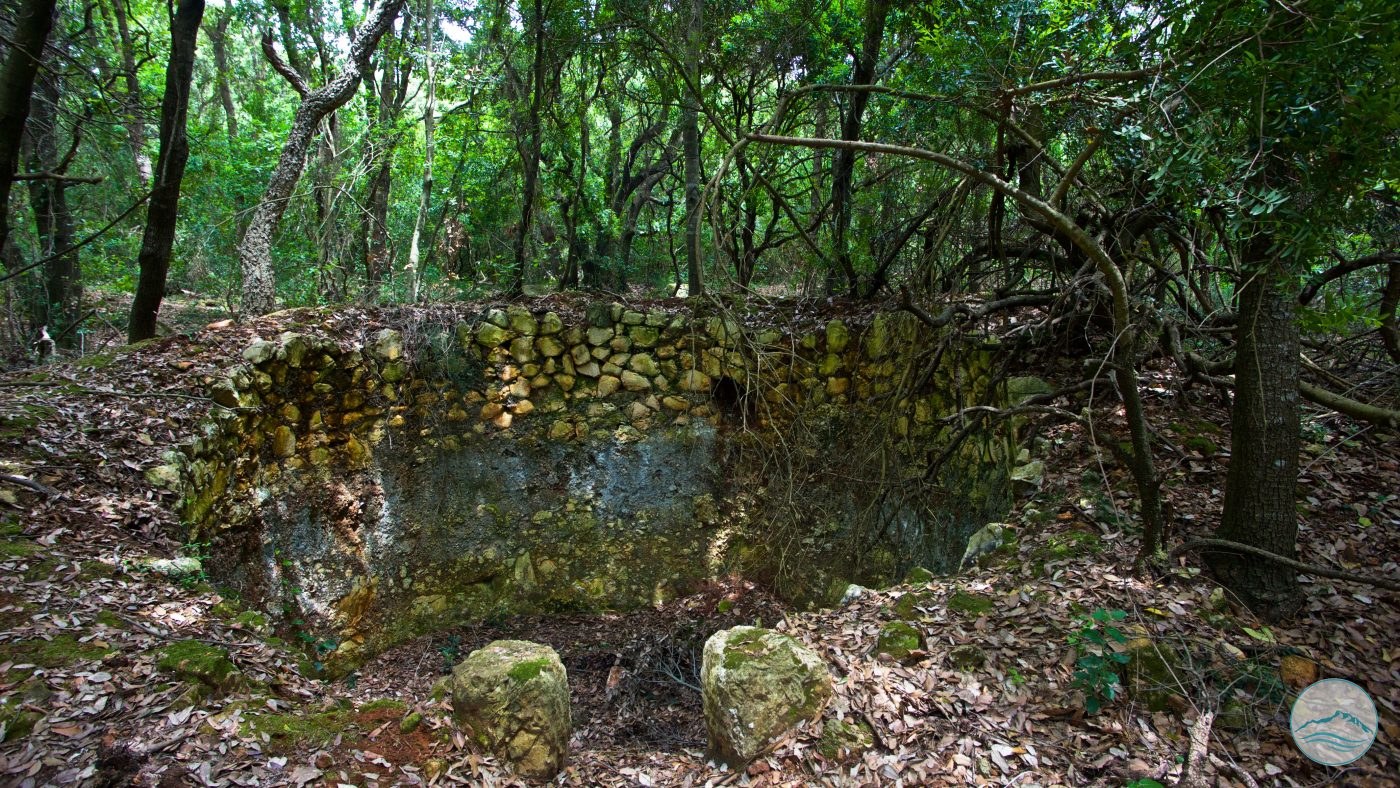
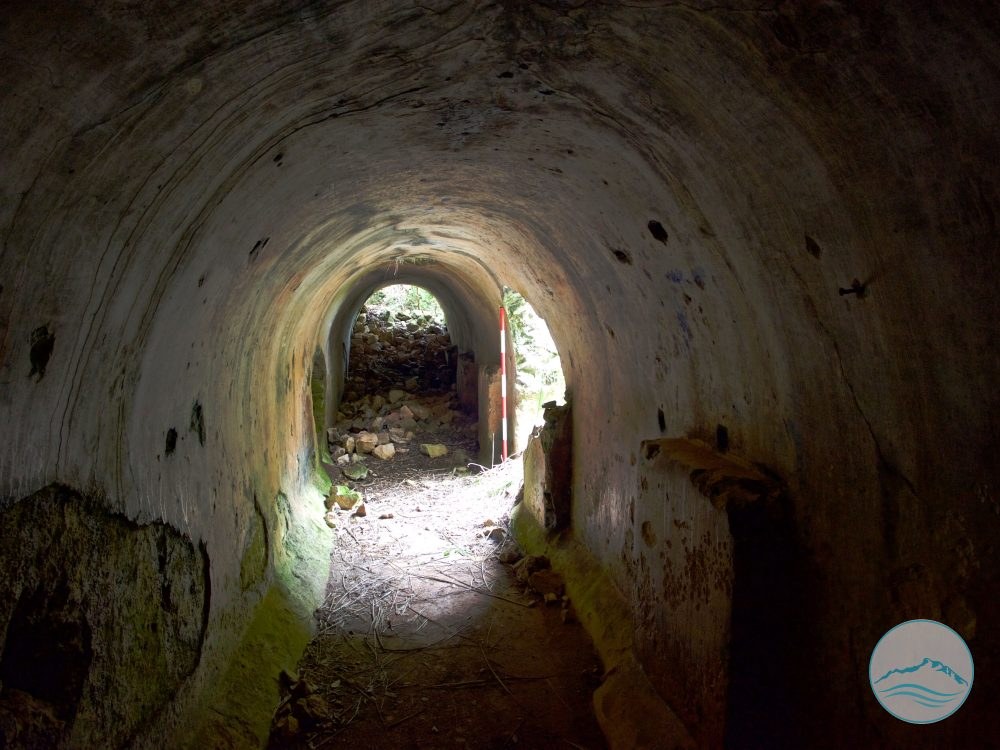
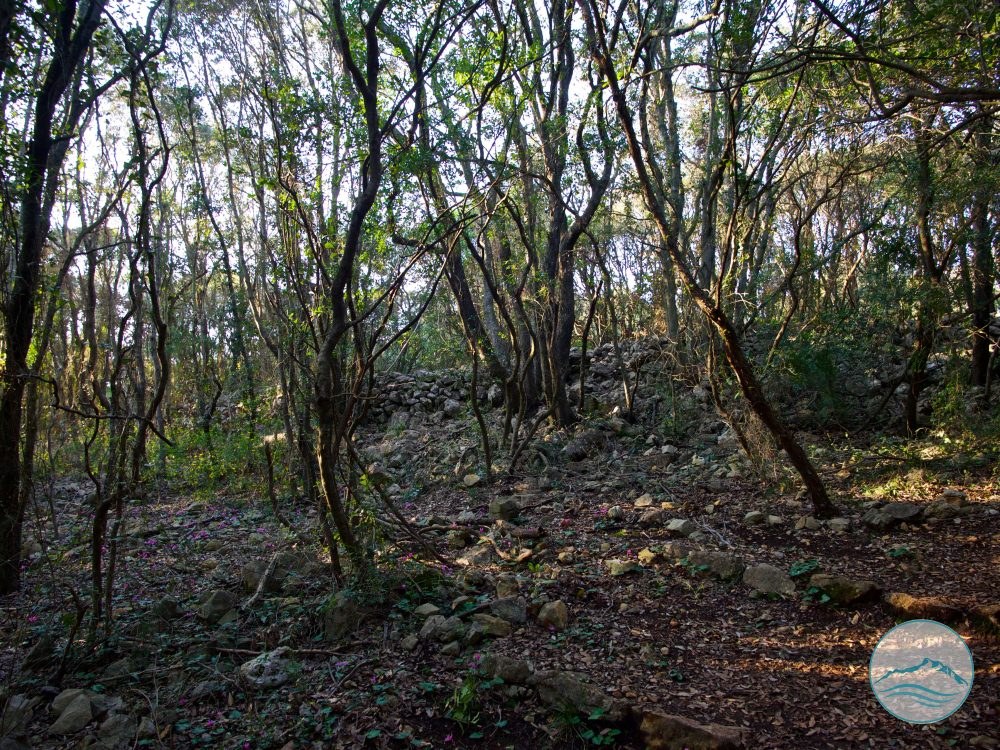
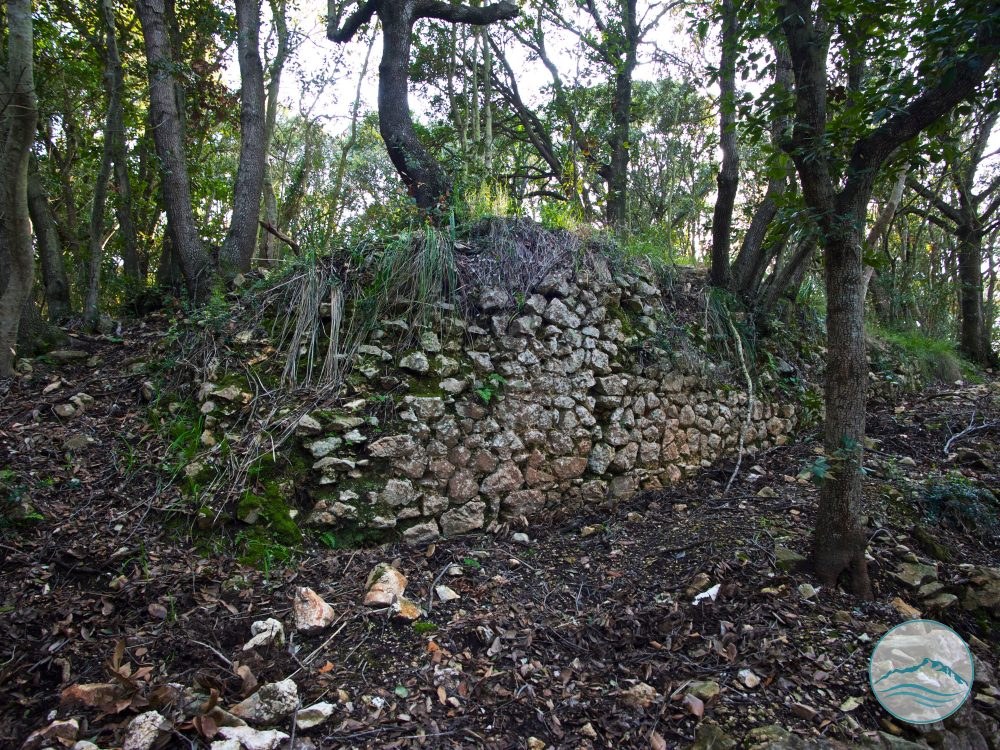
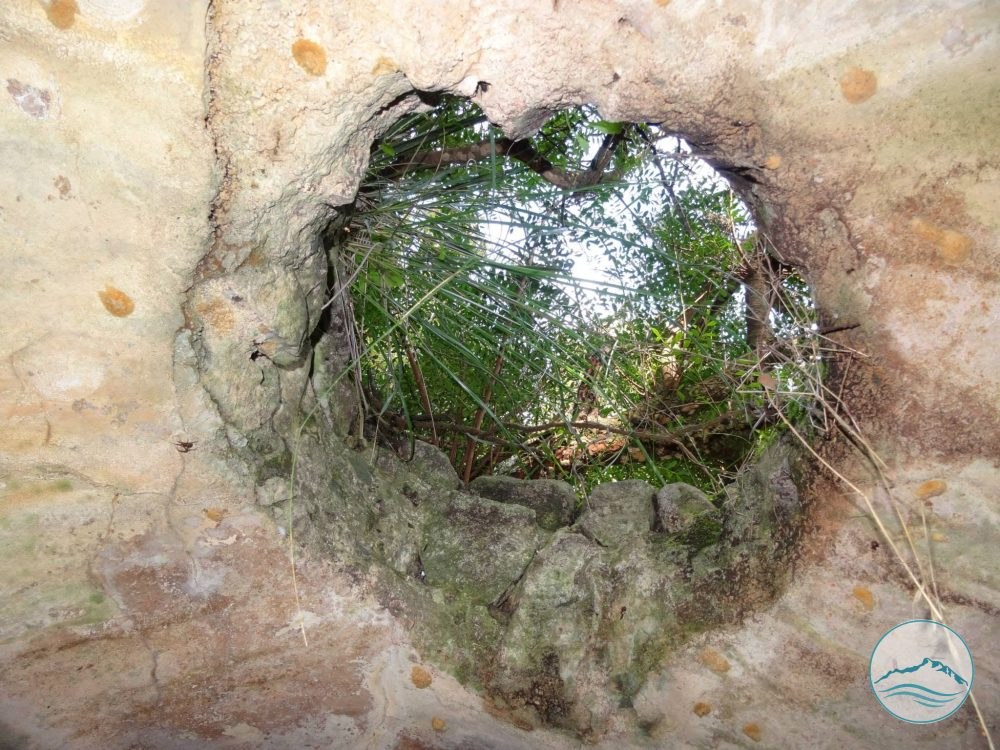
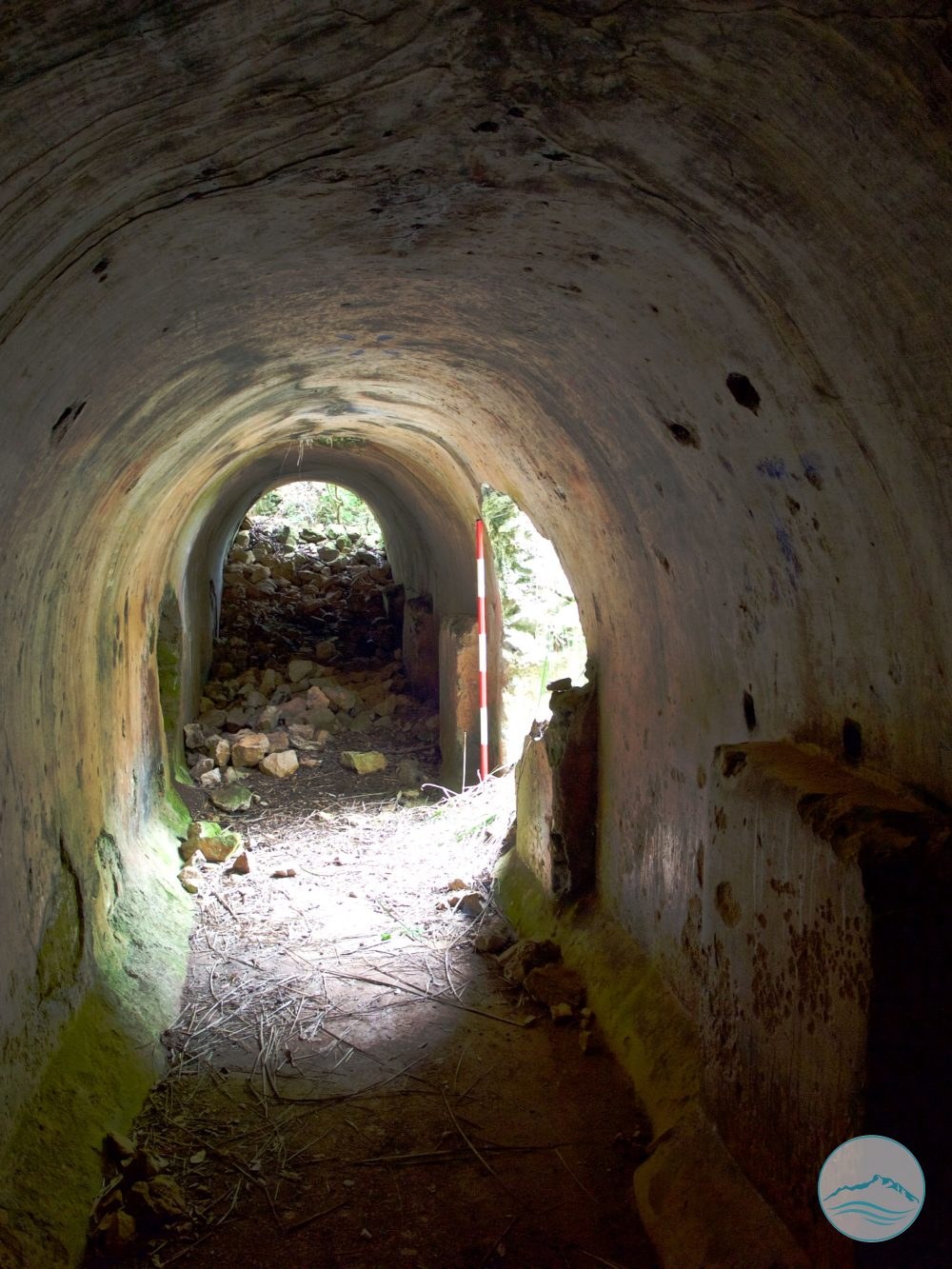
The Peretto villa was built on a series of artificial terraces forming a built-up area of about 120 × 170 metres. What remains is the cistern, the best-preserved part, and a short stretch of wall in opus incertum. The cistern originally had two parallel chambers: the southern one survives well, rectangular and vaulted, built in opus caementicium, with small reinforcing pillars on the wall facing the collapsed chamber; halfway along the vault is the opening through which rainwater entered. A few metres further south, the stretch of opus incertum wall belonged to the terracing which, set against the slope, created level platforms to build on.