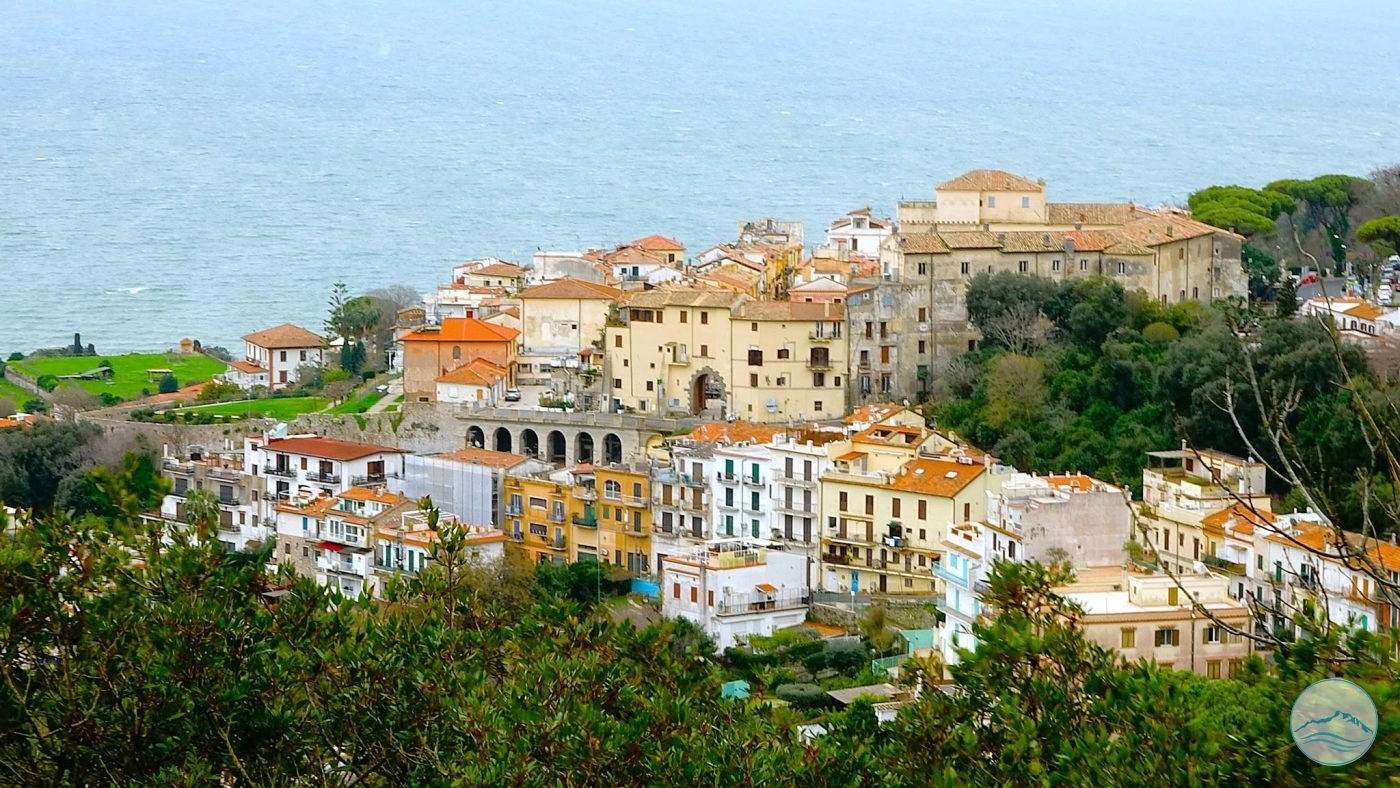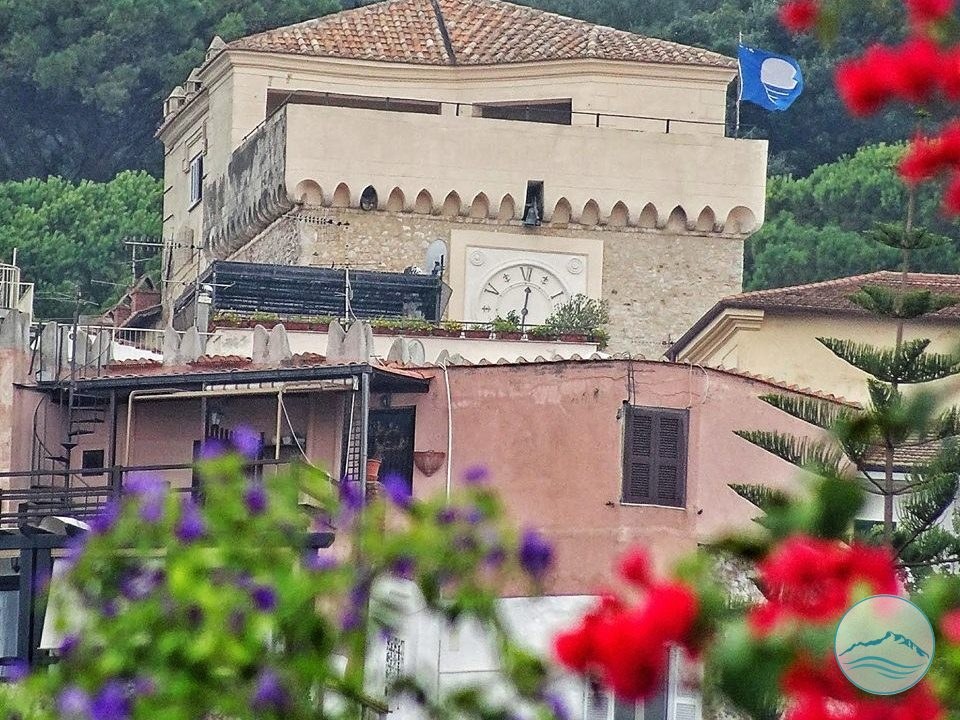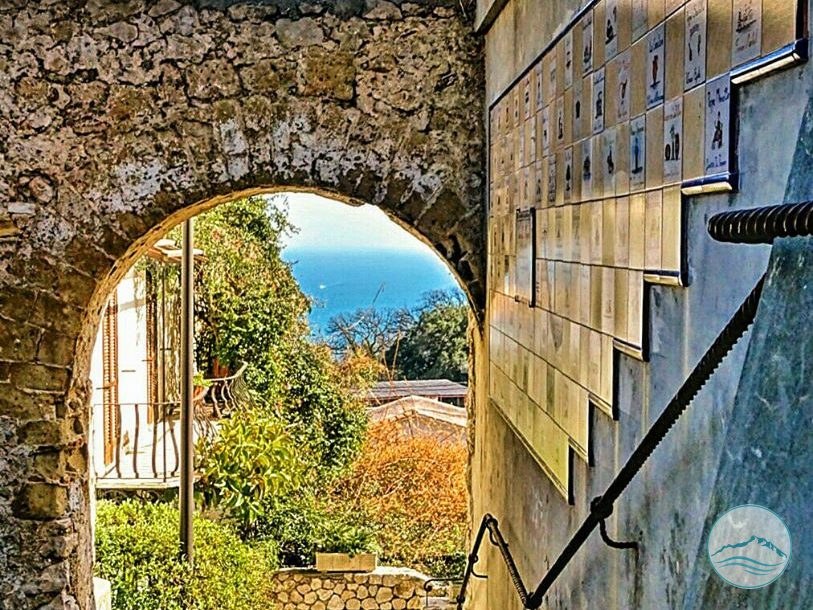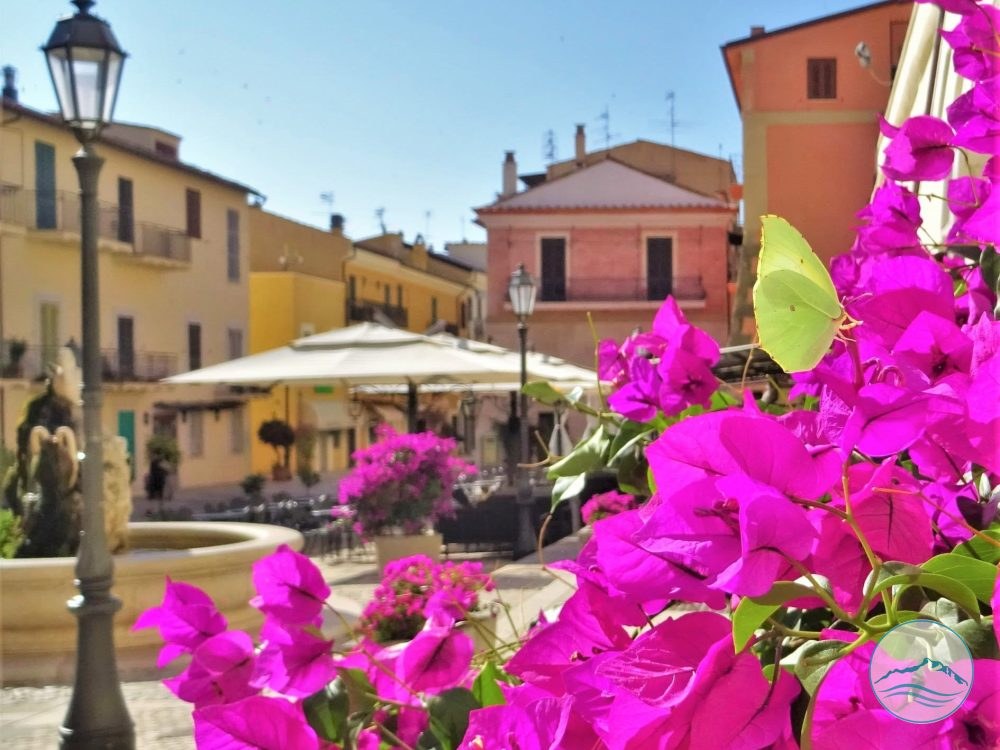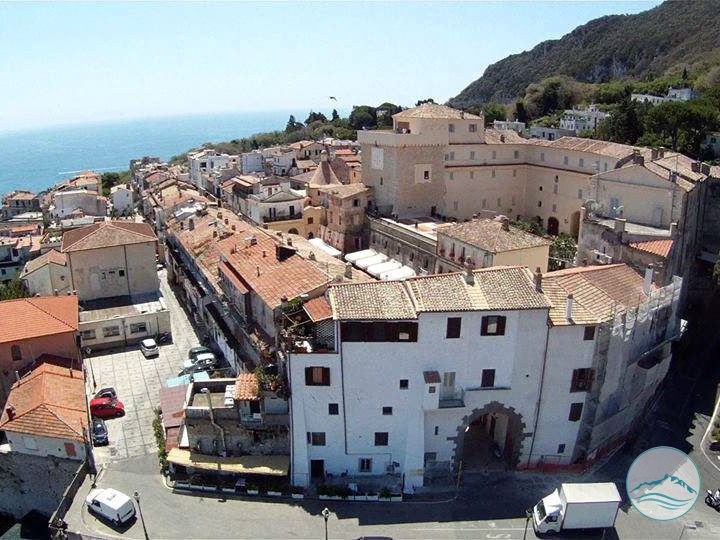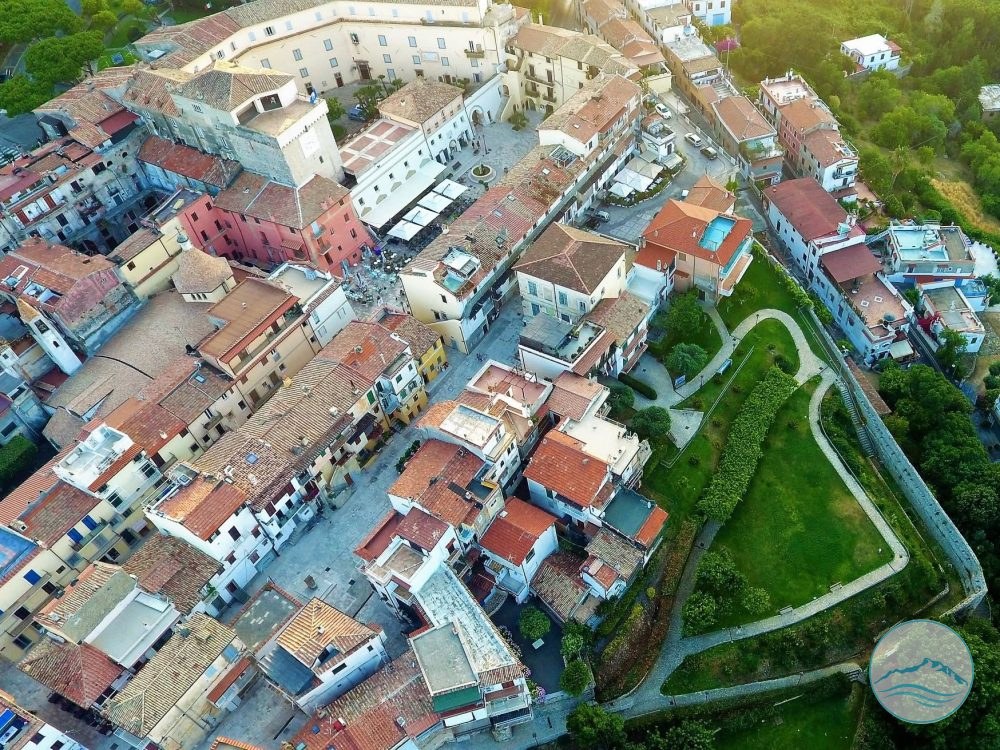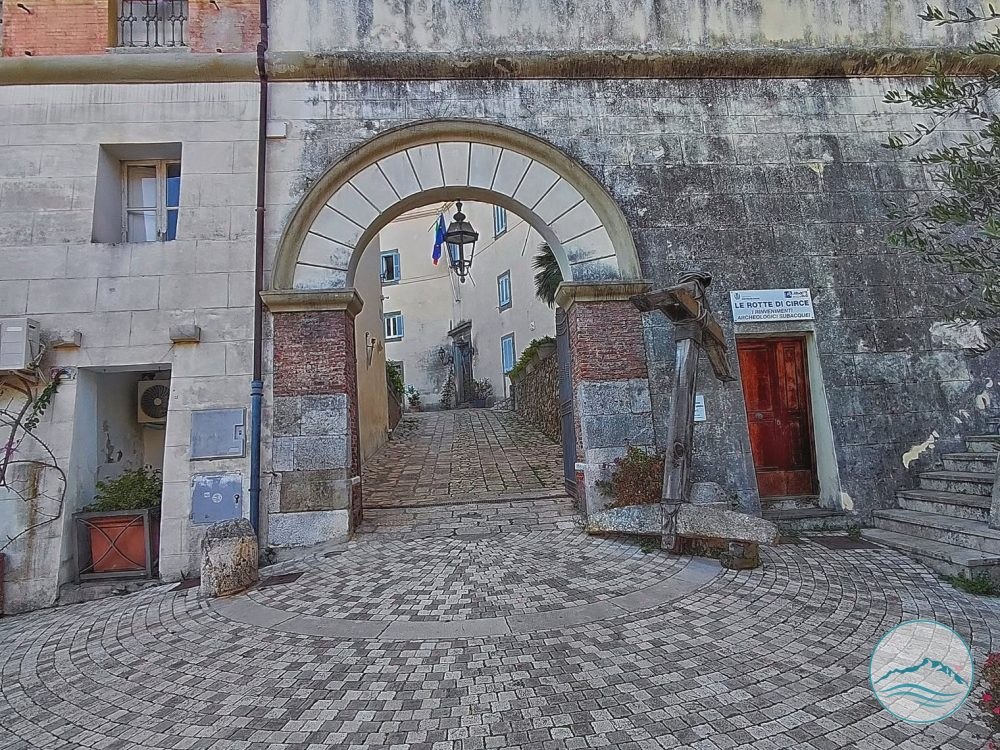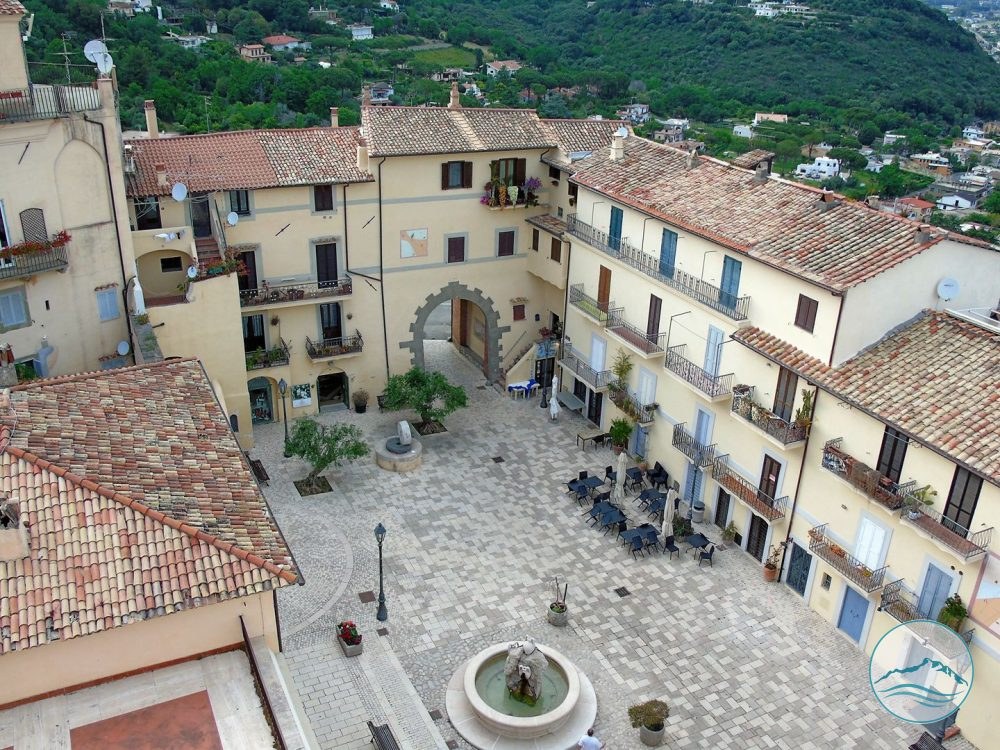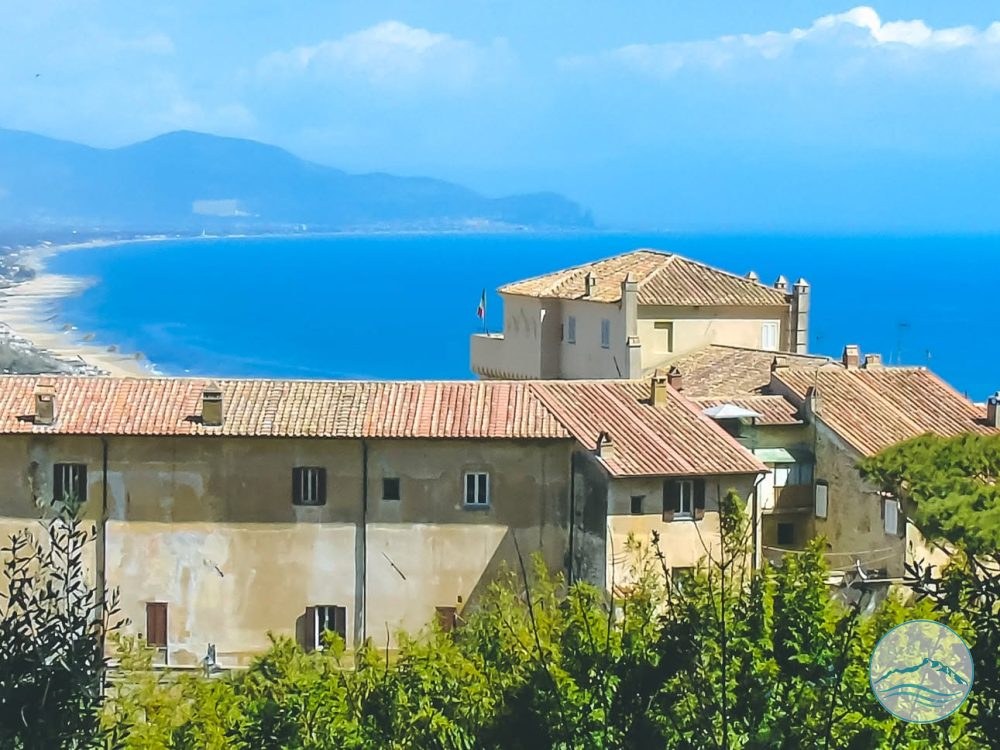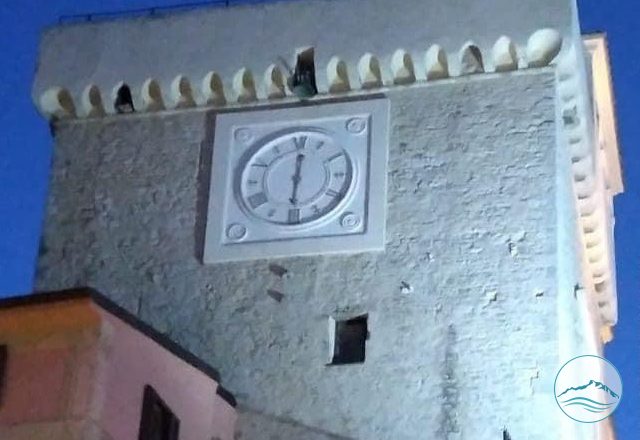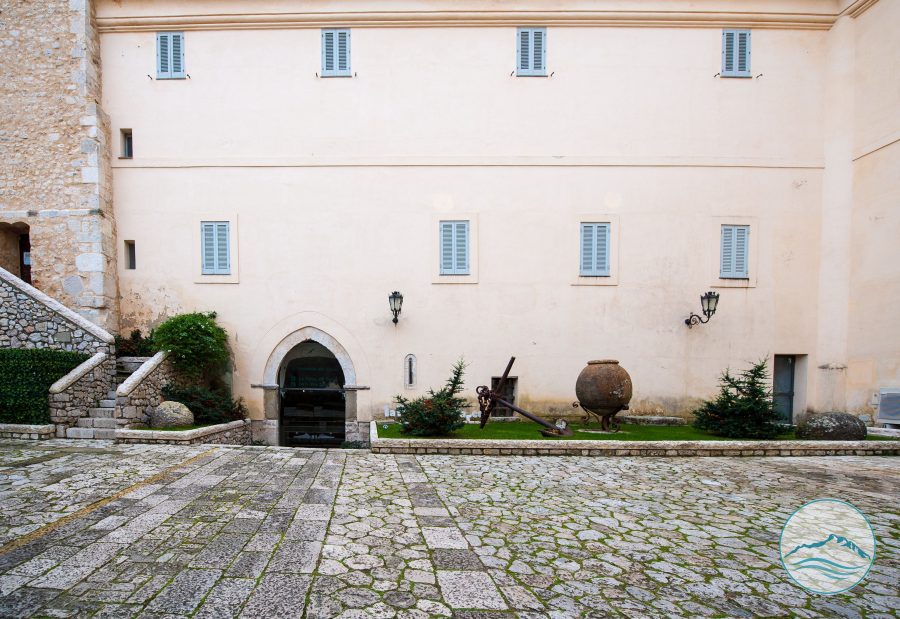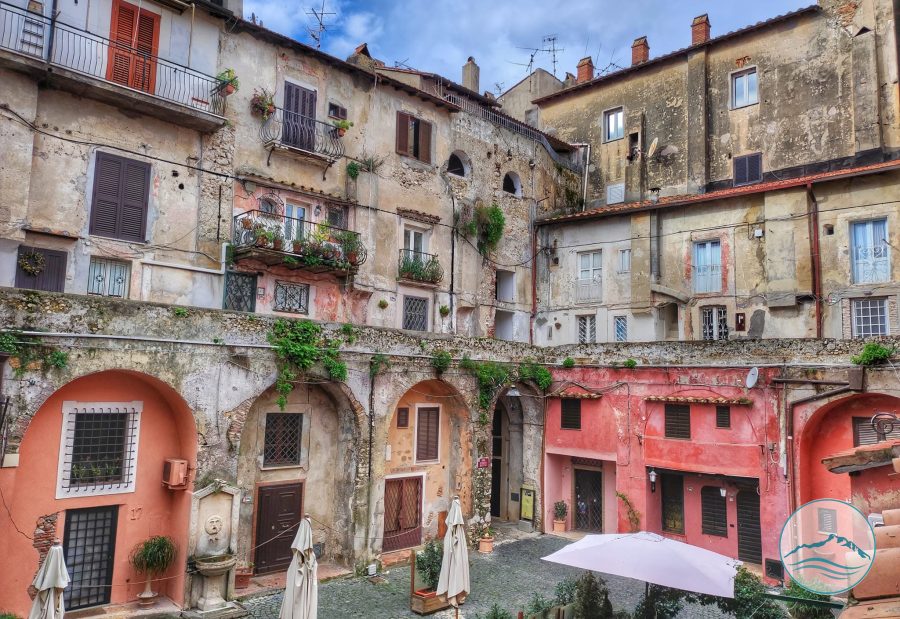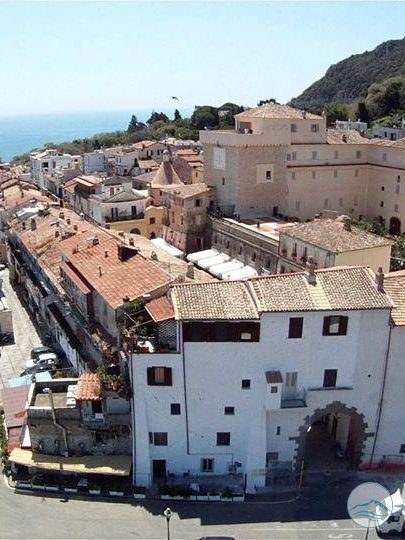
The old town of San Felice Circeo stands on the site of ancient Circeii, a Latin town and later a Roman colony, and still follows its perimeter and layout: walking through its streets you are, in fact, walking inside the ancient city.
According to Livy and Dionysius of Halicarnassus the first colony was founded at the end of the 6th century BC by King Tarquinius Superbus, to control southern Latium and halt the advance of the Volsci: the promontory was a natural lookout over the Tyrrhenian Sea, a stronghold by land and sea. The colony soon fell to the Volsci – tradition links its loss to the war of Coriolanus (491–488 BC) – and in 393 BC, as Diodorus Siculus reports, it was refounded as a Latin colony. In the following centuries Circeii rebelled against Rome several times; during the Second Punic War it was one of the twelve Latin colonies that in 209 BC declared themselves unable to provide any more men or resources. After the Social War, in the 1st century BC, it became a Roman municipium and the area filled with villas: the former triumvir Marcus Aemilius Lepidus spent his exile here.
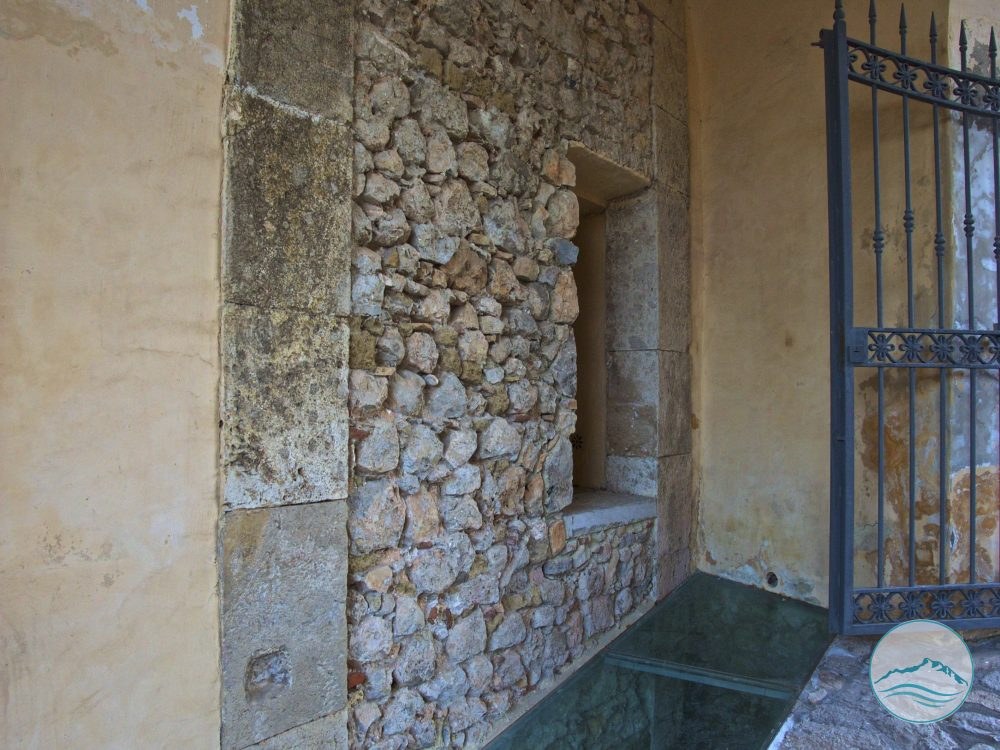
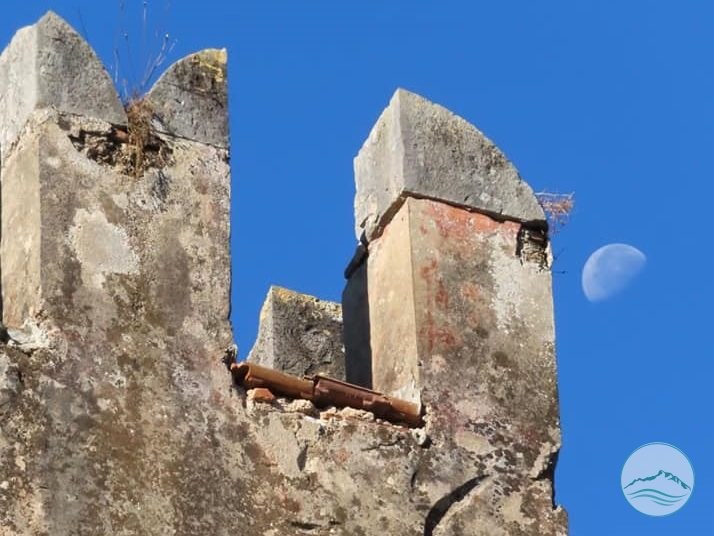
What remains of the ancient city is above all its urban layout and its walls. The town was rectangular and crossed by a main north–south axis, the decumanus, now followed by Corso Vittorio Emanuele; the lanes crossing it correspond to the cardines and still form a regular grid. The “first style” polygonal walls, made of large roughly dressed limestone blocks laid without mortar, survive mainly along the south-eastern side, in Via Gino Rossi, where medieval walls and then modern houses were built on top of them, as far as the Antica Porta, one of the oldest gateways into the town.
The colony should not be confused with the so-called acropolis, the more regular polygonal-walled enclosure higher up on the mountain, near the Crocette: a military outpost separate from the town, generally dated to the early 4th century BC. An ancient road linked the two places, and its route can still be recognised along the Ceraselle path.
With the end of the Empire the town declined; in the Middle Ages the Castrum Sancti Felicis, the fortified village from which today’s San Felice Circeo derives, grew up on the site of the Roman city.