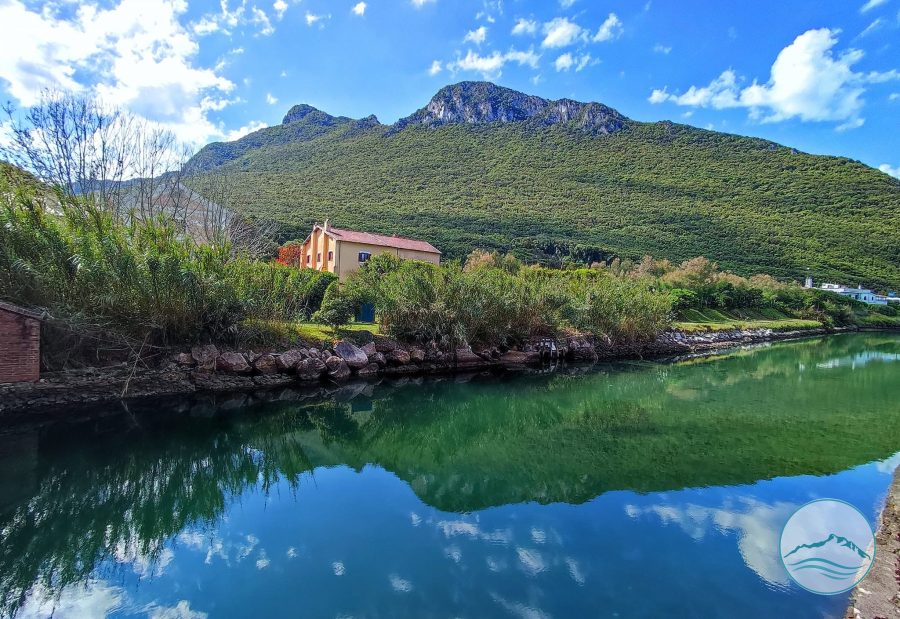
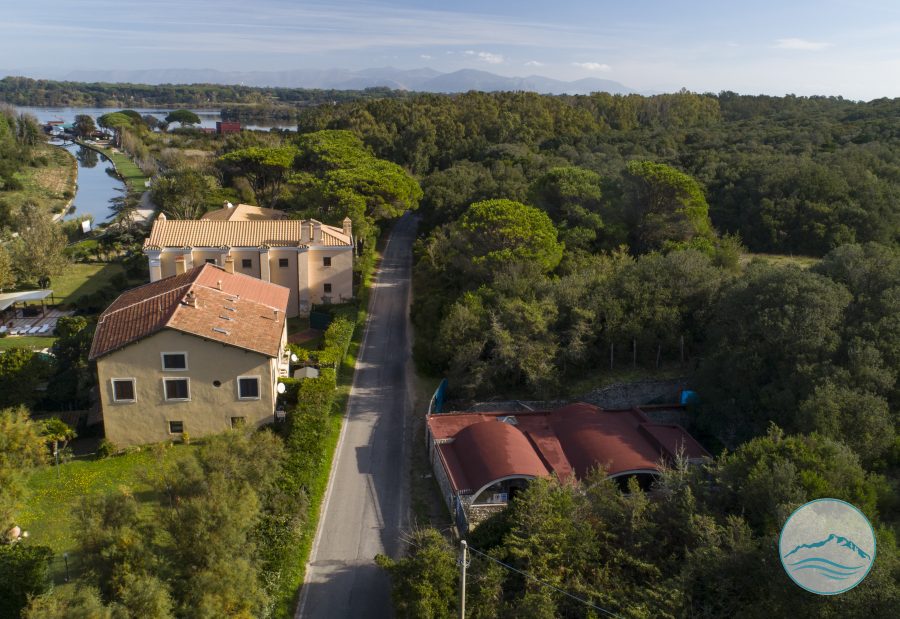
The only one of the Circeo’s six coastal towers to have kept its original structure intact, it was built in the 16th century near the outlet of the lake of Sabaudia (then called Lago di Paola) and the canal port, standing guard over the western tip of the promontory.
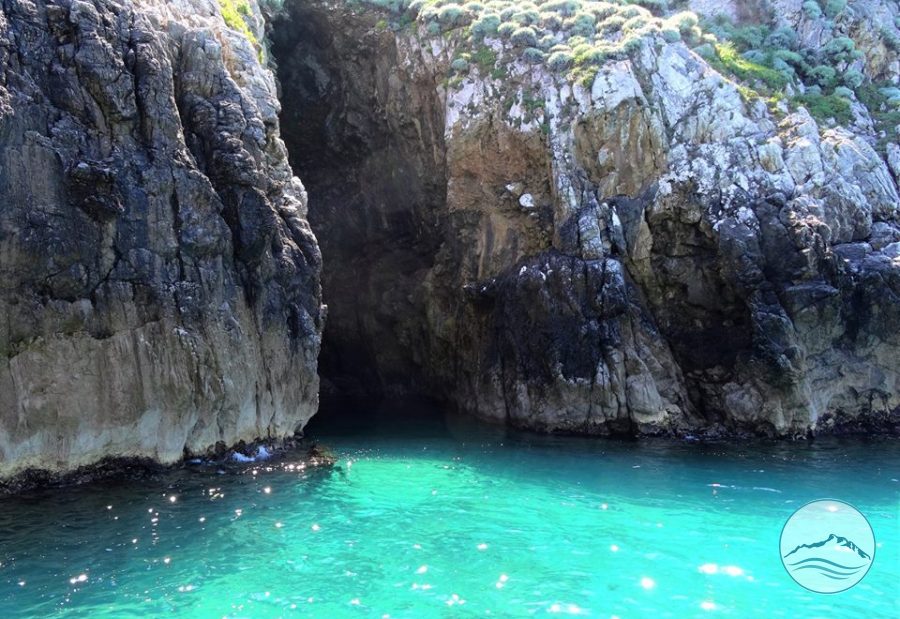
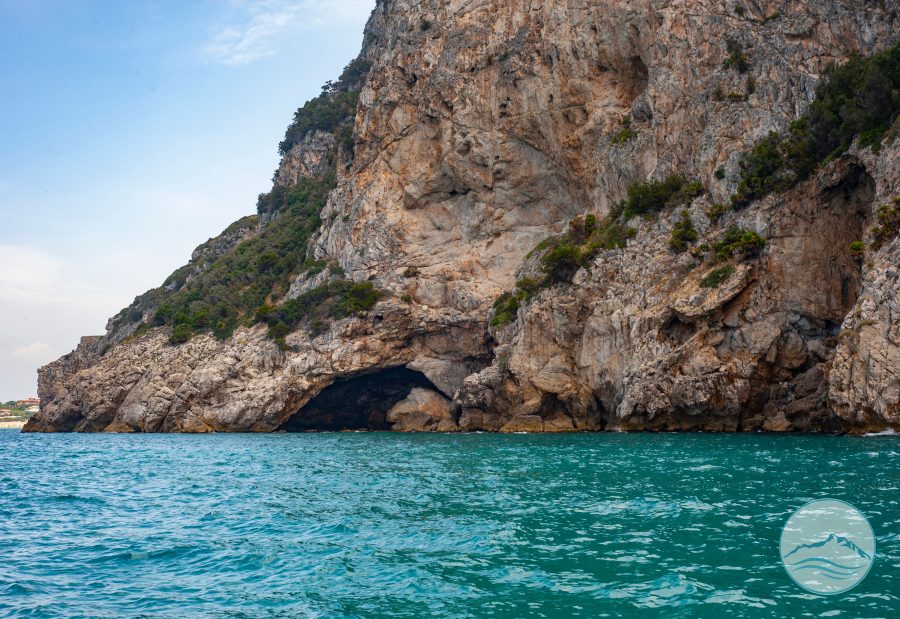
Near the tower you’ll find both the remains of the Roman baths that once served the port complex and the access point, by sea only, to the evocative Grotta della Maga Circe (Cave of the Sorceress Circe). T
radition has it that ships bound for Circe’s island put in at this very harbour as far back as Homeric times.
The land where we now stand belonged to the Papal States.
It is the late 16th century, and there was a need both to keep watch for raids by Barbary corsairs and Turks and to protect the ships crossing the Gulf on their way from Naples and Sicily to Rome. To control and defend the territory, Pope Pius IV ordered Niccolò and Bonifacio Caetani (Lords of Sermoneta and San Felice) to build, at their own expense, four towers (Torre Paola, Torre Moresca, Torre Cervia and Torre Fico) to keep watch over the coast, the inland territory and shipping.
Torre Paola, where we are now, was also tasked with defending Lago di Paola. It was built on a rocky spur at the foot of the mountain, facing west and overlooking the cove, the mouth of the Paola canal (also used by ships) and the entire stretch of coast as far as Capo d’Anzio. Some sources suggest it probably stood on a Roman-era site (as was the case with Torre Olevola).
Building these towers was no easy task: the Saracen pirates did not want them, so the workers had to be protected by an armed escort. During restoration work, to guard against attacks from land, a “shield” (a raised wall) was added to the gun platform (the flat roof) on the side facing the promontory. The towers were completed in 1563.
It was built on a circular plan because it stood in a rocky, hard-to-reach spot, giving a better view on all sides and allowing the coast to be kept under watch.
It was entered from the first floor via a wooden gangway which, once raised, made access far more difficult. The circular design was also chosen for military reasons: a smooth, round surface is more “elusive” to cannon fire than a square or quadrangular tower, and it has no blind spots.
Of the three towers, this is the only one that still retains its original structure today.
From the time it was built onwards, local texts make frequent mention of its soldiers fending off raids from both sea and land.
In 1604 a boat being chased by two Turkish ships took shelter beneath this tower, and its artillery put the two ships to flight.
There are many stories like this! One of the most disastrous attacks came in 1809 from English ships. Thanks to Corporal Ubaldo Piemontese and his men, Torre Paola was the only tower to hold out, refusing to fall for the ruse of the English soldiers who passed themselves off as French (allies at the time).
Torre Fico and Torre Cervia, on the other hand, were badly damaged, while Torre Moresca was all but destroyed. By now we are well into the 19th century, and despite the popes’ repeated efforts to keep the coast garrisoned, the defence system could no longer cope with the constant attacks.
In 1870, with the unification of Italy, the towers passed to the new State. They also served as important strategic defensive sites in the later world wars. Since 1978 the tower has been privately owned.
Lived in for several years, it was later abandoned for around two decades, which also undermined its stability. In 2013 the Municipality of San Felice Circeo, prompted in part by repeated appeals from local environmental associations, began work to make the entire building safe.
There are several theories about the name “Paola”, drawn from local writings and historical sources: some believe it comes from Paul III Farnese (1534–1549), who ordered its construction; other sources link the name to an ancient little church of St Paul that once stood nearby, which is why the whole area and the lake (Lago di Paola) bear this name; still other documents mention a Torre dell’Angelo di Paola, but offer no explanation for it.